Valitse kieli

Industrial systems operate under extreme operational pressures,cyclical mechanical loads,and aggressive chemical environments.In complex assemblies across automotive,hydraulic,and pneumatic sectors,even minor fluid leakage or pressure loss can trigger catastrophic system failures,expensive unplanned downtime,and severe environmental hazards.While mechanical engineers frequently focus on high-tolerance metal housings and high-pressure pumps,the root cause of chronic sealing failure frequently traces back to a deceptively simple component:the rubber seal pad.
Operating under a"SmKaikki Tuote,Big Impact"and"Total Cost of Ownership(TCO)"philosophy,Guangdong Sunlite Science&Technology Co.,Ltd.approaches fluid containment and elastomer engineering not as an afterthought,but as an essential discipline.Since 1998,we have partnered with global industrial leaders to deliver precision elastomer components that safeguard critical assemblies against pressure drops,fluid ingress,and mechanical degradation.
Technical Breakdown:Engineering Superiority of Nitrile Rubber Seal Pads
When selecting sealing Ratkaisut for fluid-powered systems,material composition dictates longevity.For hydraulic and pneumatic environments exposed to petroleum-based oils,transmission fluids,and synthetic lubricants,Nitrile Rubber(NBR)remains the gold standard.However,standard commercial grades often fail under aggressive thermal and mechanical stress.High-performance seal pads require precise polymer cross-linking and optimized acrylonitrile(ACN)Sisältö to balance oil resistance with mechanical resilience.

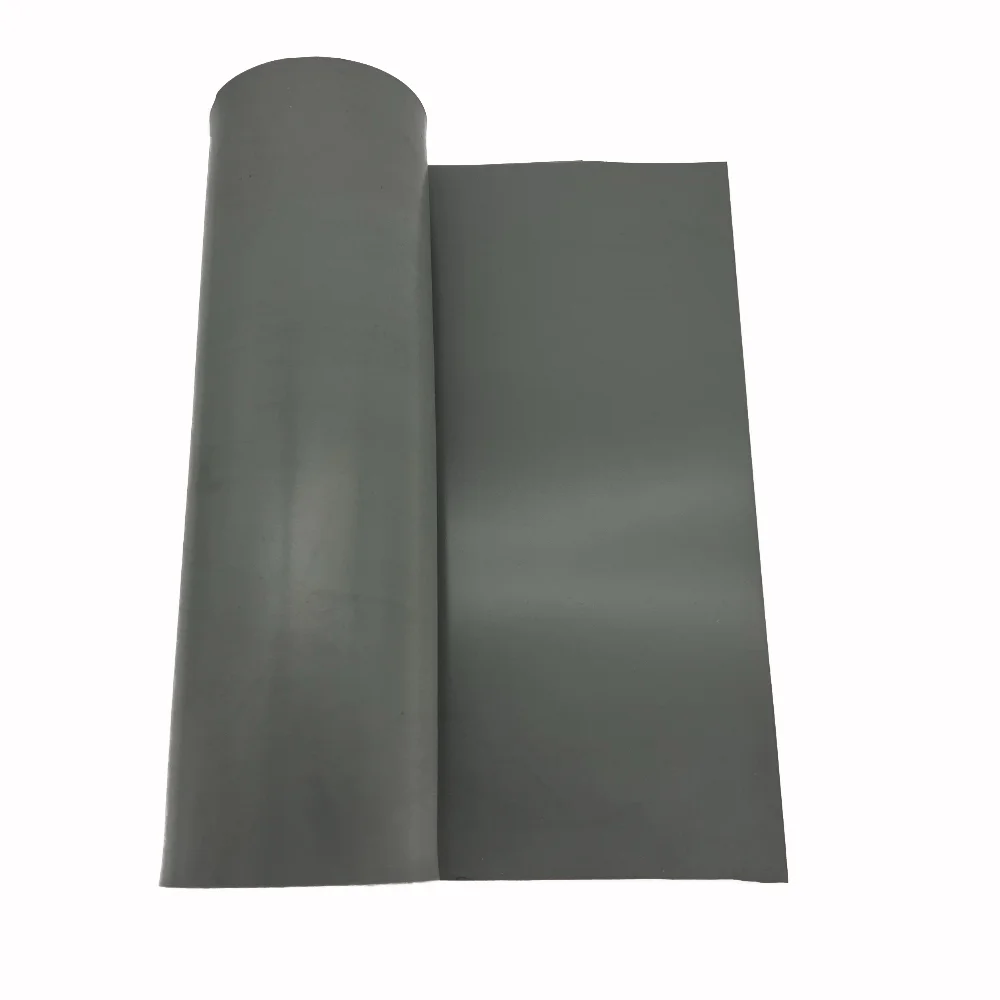
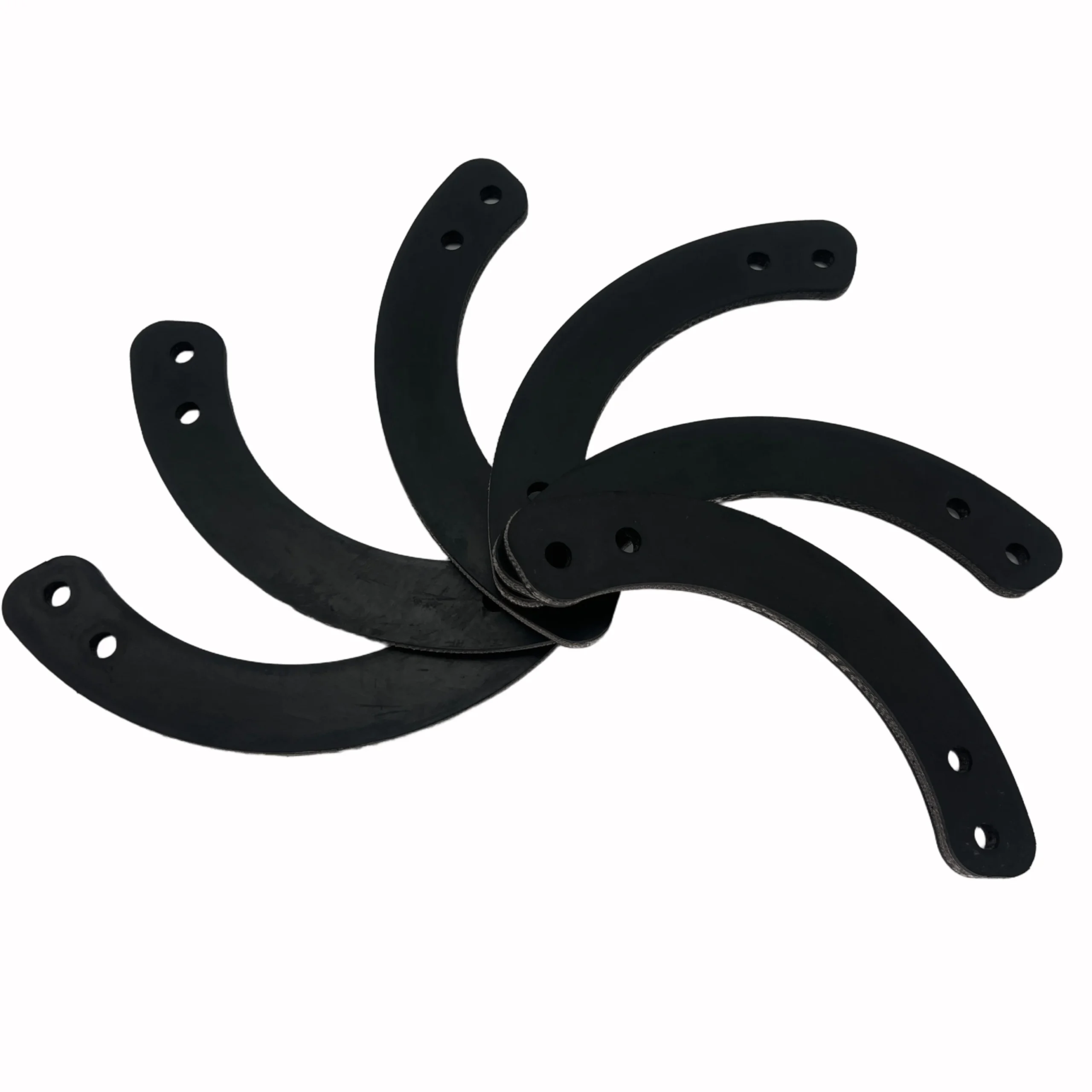
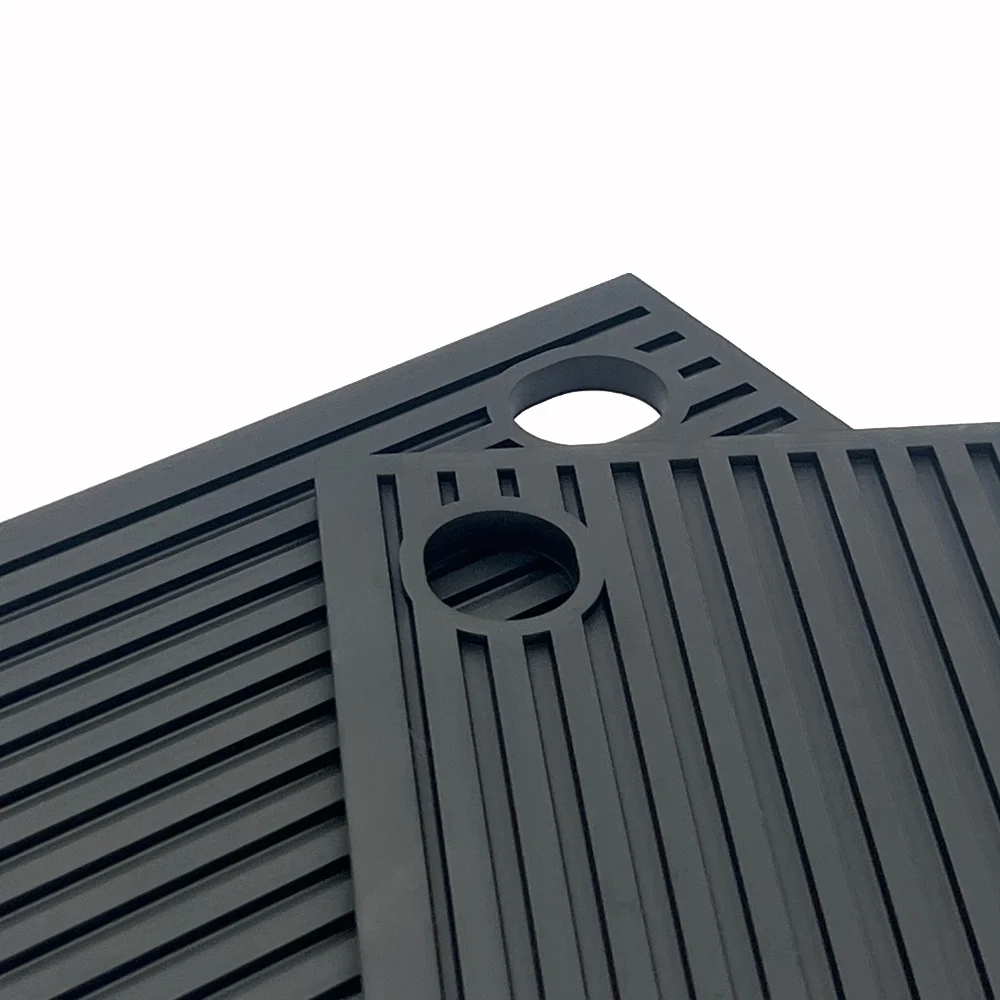
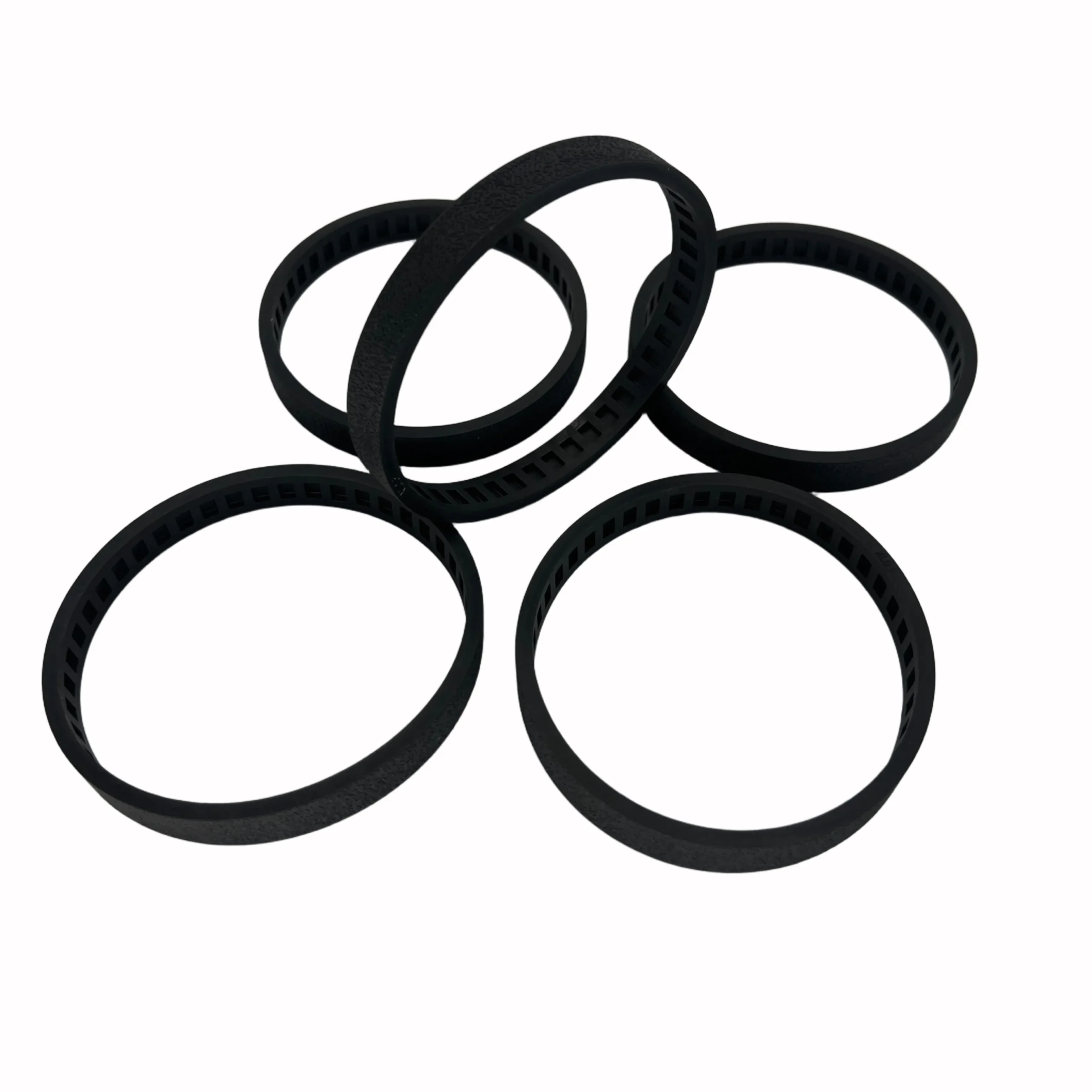
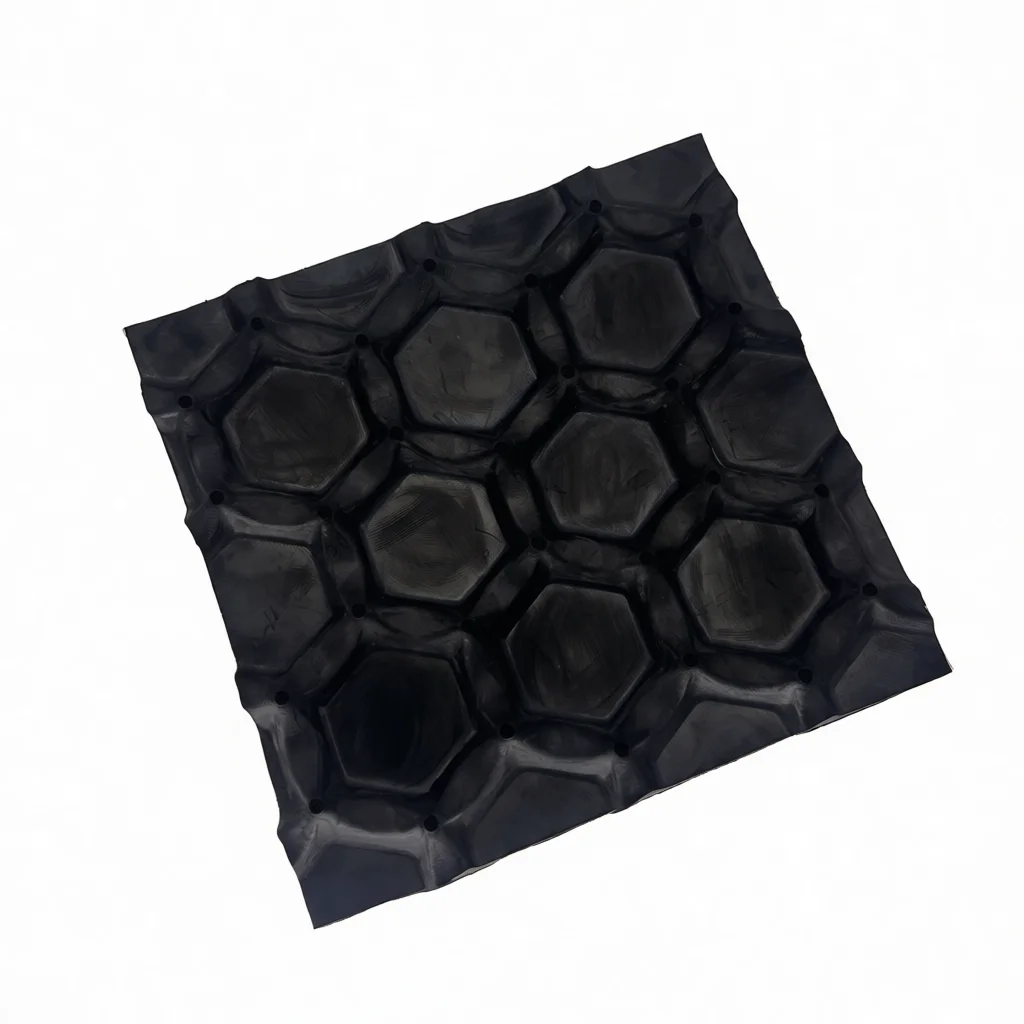
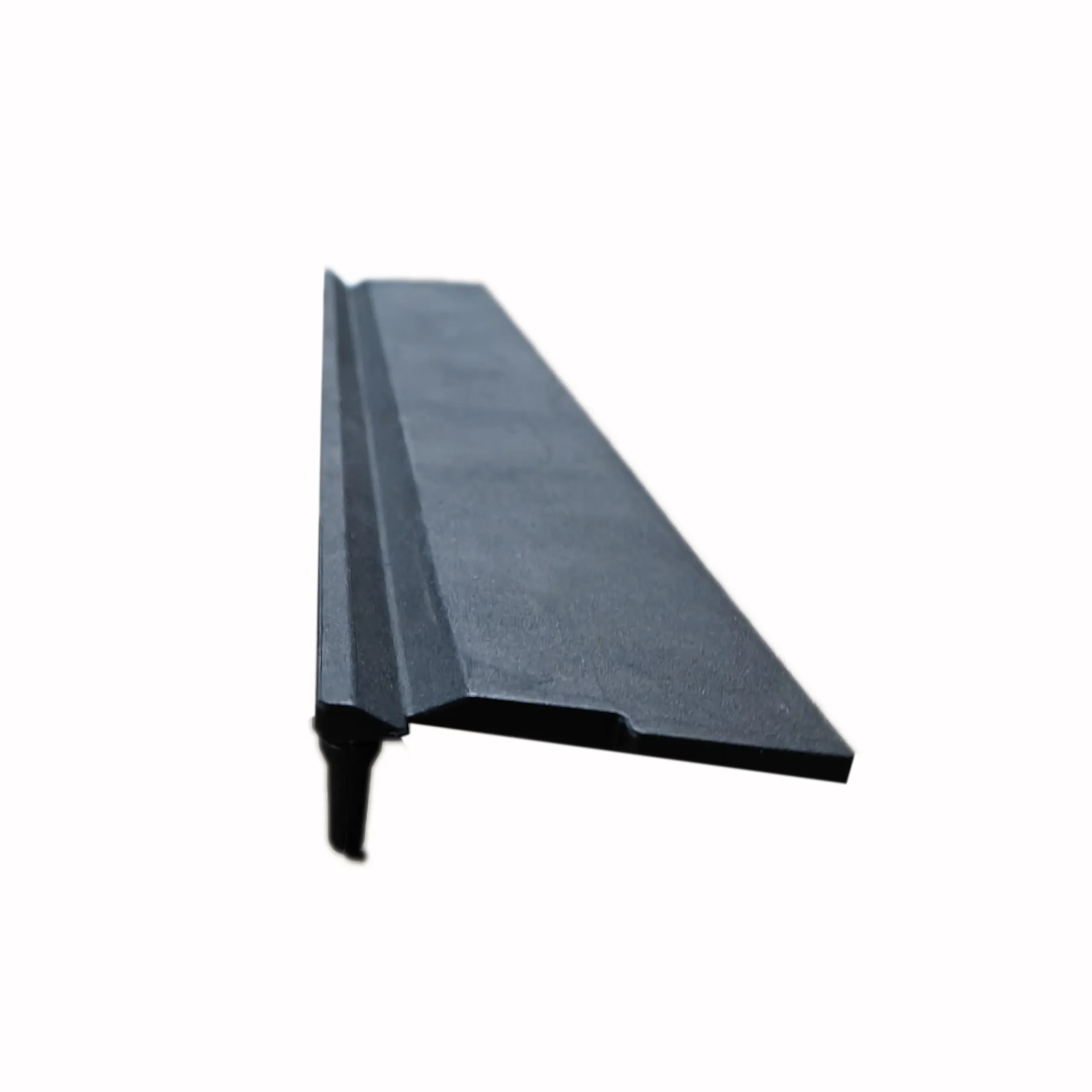
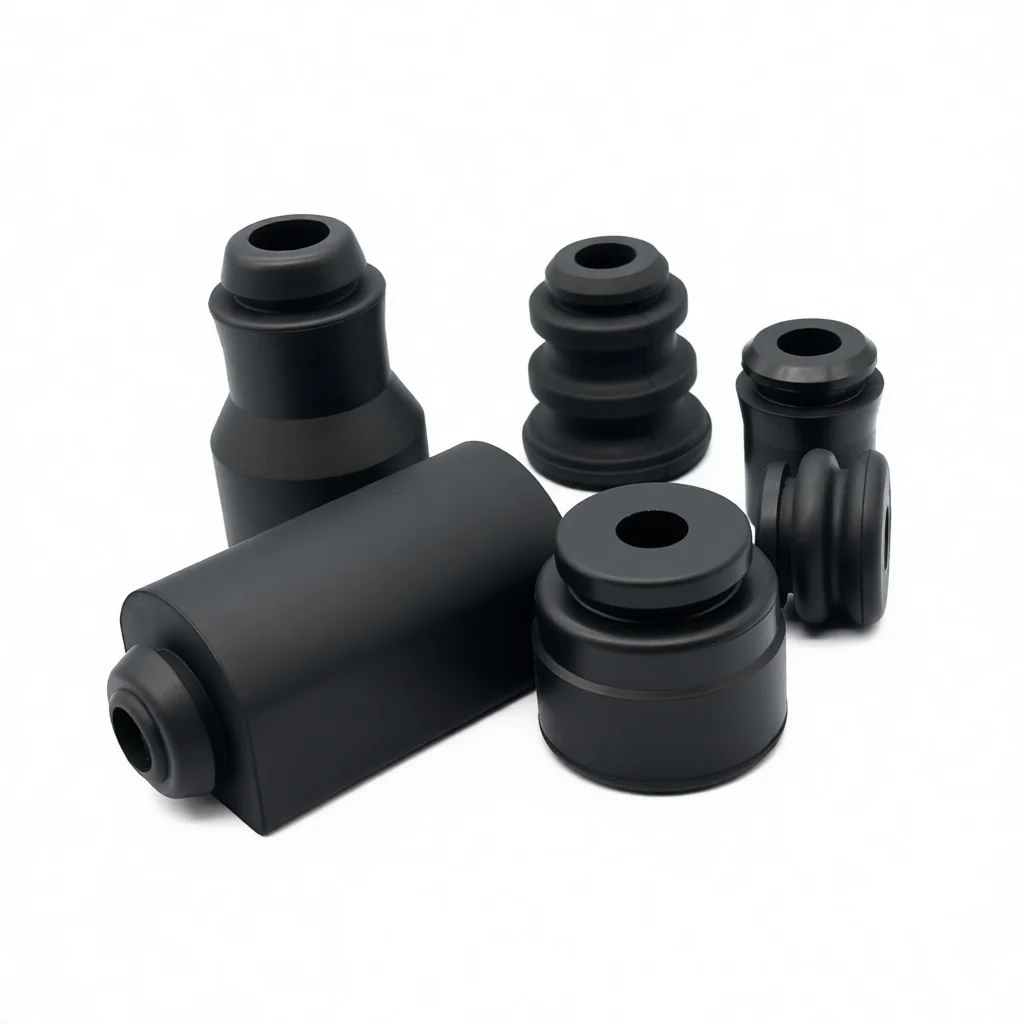
A premium NBR seal pad Edellinenents fluid leakage by maintaining constant interfacial contact pressure against mating metal surfaces,even as flanges experience thermal expansion or vibration.
Performance Metric | Standard Commercial Seals | Guangdong Sunlite Engineered Seal Pads |
Oil&Fuel Swelling Resistance | Moderate(high volume change) | Low volumetric swell(<5%in ASTM oils) |
Compression Set(100°C,22h) | 40%maximum | <20%(long-term elastic recovery) |
Tensile Strength | 12 MPa | >18 MPa(enhanced tear resistance) |
Operating Temperature Range | -25°C to+100°C | -40°C to+120°C(compound dependent) |
Service Life Expectancy | 6 months to 1 year | >3 years under continuous high pressure |
By controlling filler dispersion and curing kinetics during vulcanization,Sunlite ensures that each seal pad resists extrusion,maintains low compression set,and Edellinenents joint weeping under sustained hydraulic preloads.
Real-World Sovelluss in Modern Engineering
Deploying high-performance seal pads across demanding fluid-handling sectors yields immediate improvements in operational uptime and maintenance efficiency.

1.Hydraulic Power Units(HPUs)and Industrial Presses
Hydraulic systems operate at pressures often exceeding 200 bar,subjecting internal components to intense cyclic stress and fluid shear.A substandard seal pad will rapidly experience extrusion and fluid degradation,resulting in pressure drops and external oil leaks.Precision-molded NBR seal pads provide robust interface containment,ensuring stable hydraulic actuation and eliminating environmental fluid contamination in heavy manufacturing plants.
2.Pneumatic Control Manifolds and Valve Blocks
Automated assembly lines rely on pneumatic systems operating at high cycling frequencies.In these Sovelluss,seal pads must maintain elasticity without sticking to aluminum or brass valve bodies.Engineered elastomer pads offer low friction coefficients and rapid recovery response,Edellinenenting air leakage and ensuring precise actuation timing across millions of operational cycles.
3.Automotive Transmission and Steering Assemblies
Automotive fluid systems demand absolute zero-tolerance for leakage under fluctuating engine compartment temperatures and constant vibration.SpeciKaikkiy formulated Nitrile seal pads deployed in transmission valve bodies and fluid ports resist aggressive transmission fluids and hot lubricating oils,Edellinenenting premature gearbox failure and costly warranty claims.
Usein kysytty Kysymyksiä(WhatsAppissa)
What causes a rubber seal pad to fail prematurely in hydraulic Sovelluss?
Premature failure is typicKaikkiy caused by excessive compression set,thermal hardening,or fluid incompatibility leading to chemical degradation and seal swelling.Utilizing high-grade NBR compounds with optimized cross-link density Edellinenents elastomer breakdown and maintains sealing force under sustained pressure.
How does acrylonitrile(ACN)Sisältö affect NBR seal pad performance?
ACN Sisältö directly determines oil and fuel resistance.Higher ACN levels improve resistance to petroleum-based fluids and oils,while lower ACN Sisältö provides better low-temperature flexibility.Sunlite tailors the ACN ratio to match your specific operating fluid and thermal environment.
Can Guangdong Sunlite customize seal pad dimensions for non-standard flange geometries?
Yes.As an end-to-end engineering partner,we provide custom elastomer compounding,precision mold design,and strict dimensional verification to deliver bespoke seal pads tailored to your exact groove dimensions and sealing pressure requirements.
Partner with Guangdong Sunlite Science&Technology Co.,Ltd.
Mitigating fluid leakage is critical to lowering your Total Cost of Ownership(TCO)and ensuring uninterrupted machinery performance.Whether you require standard replacement components or custom-engineered seal pads for severe industrial environments,our technical team is ready to assist.
Contact the engineering team at Guangdong Sunlite Science&Technology Co.,Ltd.today for material selection guidance,compound optimization,or custom sample testing.
Industrial systems operate under extreme operational pressures,cyclical mechanical loads,and aggressive chemical environments.